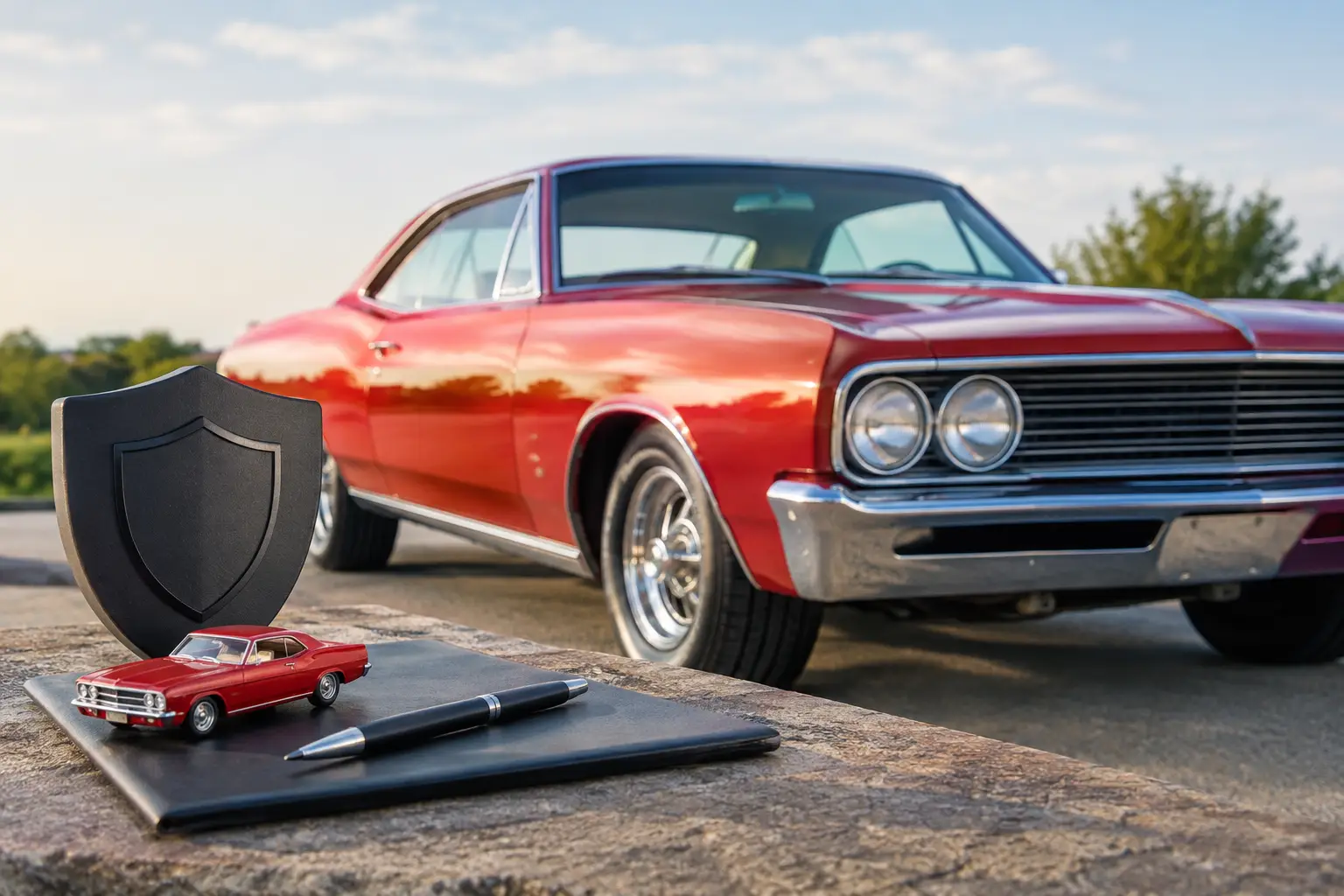
A 1967 Mustang, a restored C10 pickup, or the convertible you only bring out for weekend drives is not simply an older car. It may represent years of work, family memories, and a meaningful financial investment. Classic car insurance is built around that difference, offering protection that better reflects how collectible vehicles are valued, stored, driven, and repaired. A standard auto policy can be the right choice for a daily driver. But it may fall short when the vehicle has appreciated, has custom parts, or needs specialized restoration work after a loss. The right policy starts with an honest look at the car and how you use it. What Makes a Car Eligible for Classic Car Insurance? There is no single nationwide rule that makes a vehicle a classic. Eligibility depends on the insurance company, the vehicle's age, condition, value, use, and storage. Many carriers consider vehicles that are 20 to 25 years old or older, but newer limited-production, exotic, antique, collector, or significantly customized vehicles may qualify as well. The bigger question is usually whether the vehicle is a collector vehicle rather than everyday transportation. A well-kept 1990s sports car may qualify, while an older sedan used for commuting every day may not. Insurers often want to see that you have another vehicle for regular use and that the classic is kept in a secure garage or other protected location. Use restrictions are common. A policy may allow pleasure drives, club events, parades, car shows, maintenance trips, and occasional outings, while limiting commuting, commercial use, or high annual mileage. Those limits can help keep premiums reasonable, but they should fit your real life. If you plan long road trips or attend frequent out-of-state events, say so before choosing a policy. Why Value Matters More Than the Car's Age The central issue in collector coverage is how the insurer settles a covered total loss. Three terms are often confused: actual cash value, stated value, and agreed value. Actual cash value is common on standard auto policies. It generally considers depreciation and local market conditions at the time of the loss. That approach can be difficult for a rare or restored vehicle because book values do not always capture its condition, provenance, or custom work. Stated value coverage lets you tell the insurer what the vehicle is worth, but the settlement may be limited to the lower of the stated amount or the vehicle's actual cash value. It can be useful in some circumstances, but it is not the same as a guaranteed payout. With agreed value coverage, you and the carrier establish a value for the vehicle when the policy is written. If the vehicle is a covered total loss, the policy is generally designed to pay that agreed amount, subject to the policy terms. That can provide much more certainty when a vehicle has been professionally restored or has a documented collector-market value. Agreed value is not a reason to guess high. The value should be supportable with photos, appraisals, restoration receipts, auction results for comparable vehicles, and records of upgrades. Review it regularly, especially after a major restoration or a shift in collector demand. A value that made sense five years ago may no longer protect your investment today. Coverage to Consider for a Collector Vehicle Liability coverage remains essential. If you cause an accident that injures someone or damages their property, liability coverage helps protect you from those costs up to your policy limits. Even if your classic only travels a few thousand miles a year, one serious accident can create a much larger loss than the value of the car itself. Comprehensive and collision coverage protect the vehicle itself. Collision can help after an impact with another car or object. Comprehensive can help with risks such as theft, fire, vandalism, hail, falling objects, or animal damage. In areas prone to severe storms, hail and wind deserve special attention, particularly if the vehicle is stored at home. Other options may be available depending on the carrier. These can include roadside assistance designed for collector vehicles, spare-parts coverage, coverage for automobilia and tools, travel interruption benefits, and inflation guard features that automatically increase the agreed value by a small percentage over time. Some policies also offer a choice of repair facility, which matters when you want work handled by a shop with experience in vintage vehicles. The best combination depends on the vehicle, where it is kept, and what would be difficult to replace after a loss. A garage full of rare parts and specialty tools may need more consideration than the car alone. Storage, Mileage, and Everyday Reality Secure storage is more than an underwriting checkbox. A locked garage can reduce exposure to theft, weather damage, vandalism, and accidental damage. If you store a vehicle in a detached garage, workshop, or rented unit, confirm that the policy recognizes that location and ask how losses to parts or accessories stored separately are handled. Mileage limits should be practical, not aspirational. Choosing a very low limit for a lower premium can create trouble if you later use the car more than expected. Keep a rough mileage record, especially if your policy has a stated annual limit. If your plans change, update the policy before the extra drives become a problem. Also be clear about who will drive. A collector car policy may have driver age requirements, licensing requirements, or limits on household members who can use the vehicle. Letting a friend take the wheel may feel harmless at a cruise-in, but it could have coverage implications if that driver is not permitted under the policy. How to Get a More Accurate Quote A strong quote is based on details, not assumptions. Have the vehicle year, make, model, VIN, approximate mileage, and estimated value ready. Gather clear photographs of the exterior, interior, engine bay, and any notable modifications. Receipts for restoration work, custom paint, upgraded engines, wheels, or period-correct parts can help establish the vehicle's value. Be prepared to discuss storage, anticipated annual mileage, other vehicles in your household, and your driving history. These details affect eligibility and price. They also help an independent agent compare options from multiple carriers instead of forcing a collector vehicle into a policy built for ordinary transportation. Price matters, but the cheapest quote is not automatically the best fit. Compare deductibles, valuation language, towing provisions, mileage rules, parts coverage, and whether the carrier has experience handling specialty claims. A small premium difference can matter far less than the difference between an agreed-value settlement and an unexpected valuation dispute. Questions Worth Asking Before You Buy Ask whether the policy uses agreed value, stated value, or actual cash value. Ask how often the value can be adjusted and what documentation is needed. You should also ask about mileage limits, permitted uses, storage requirements, drivers, and what happens if the vehicle is being restored rather than fully road-ready. If your vehicle has a trailer, a collection of spare parts, or a display at car shows, ask whether those items need separate coverage. The answer may vary by carrier and by state. There is no benefit in assuming an item is protected only to learn after a loss that it was excluded or subject to a small limit. Protect the Story Behind the Vehicle Keep your documentation in a safe place, with digital copies stored separately from the vehicle and garage. Update photos after meaningful work is completed. These small habits can make a major difference if you ever need to explain the car's condition, equipment, and value after a claim. Your classic deserves coverage that recognizes more than its model year. Whether it is a carefully preserved original or a long-term restoration project, Sincerity Insurance Solutions can help compare coverage built around the way you enjoy and protect it. The right conversation now can help preserve both the vehicle and the peace of mind that comes with owning it.