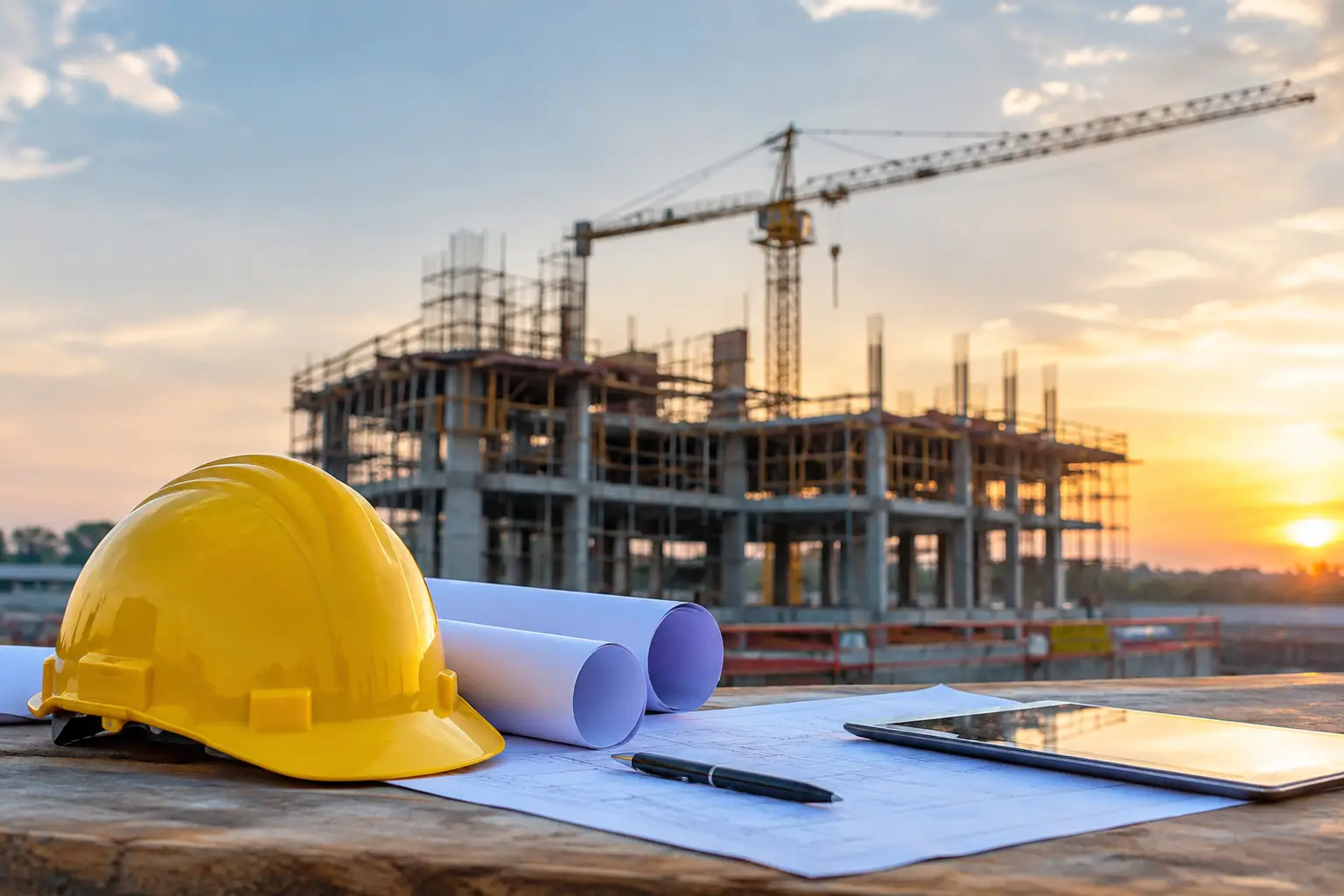
A construction project can look secure one day and become a costly setback the next. A windstorm damages framing, thieves take stored appliances, or a fire destroys materials waiting to be installed. Builders risk insurance is designed for this vulnerable phase of a project, when the work is not yet complete and a standard property policy may not apply. For contractors, property owners, and developers, the right policy can keep a covered loss from turning into a major cash-flow problem. The key is making sure the coverage reflects the project itself, not simply checking a box before work begins. What builders risk insurance is designed to protect Builders risk insurance, sometimes called course of construction insurance, covers property while a building is being built, renovated, or substantially repaired. It typically protects the structure under construction as well as materials and supplies intended to become part of that project. A policy may cover a ground-up commercial building, a home addition, a major remodel, or a renovation of a rental property. Coverage generally starts before construction or at the beginning of the project and ends when the project is completed, occupied, sold, or reaches another policy-defined milestone. The policyholder may be the property owner, general contractor, developer, or another party with a financial interest in the work. Just as important, the policy should identify all appropriate stakeholders. Lenders, owners, general contractors, and subcontractors may need to be listed as insureds or have their interests noted, depending on the contract and carrier requirements. Property that may be covered Every policy is different, but builders risk coverage commonly applies to the building or renovation work, building materials stored at the job site, and materials in transit or stored off-site. It can also include temporary structures, fencing, scaffolding, or construction forms when those items are specifically included. The coverage limit should usually reflect the completed value of the project, not just the amount already spent. If a loss occurs late in construction, the cost to repair or rebuild can be far greater than the value of materials currently on site. Underinsuring the project can leave the owner or contractor responsible for a significant share of a covered loss. The losses a policy may cover Builders risk policies often cover direct physical loss from events such as fire, lightning, wind, hail, theft, vandalism, and certain water damage. Many are written on a broad form basis, meaning they may cover causes of loss unless they are excluded. Others use named-peril coverage, which is narrower and only responds to causes listed in the policy. That distinction matters. A lower-priced policy is not automatically the better fit if its covered causes of loss are too limited for the project, location, season, or construction type. Weather is one of the clearest examples. A project in a wind-prone part of Arizona or Texas may need careful review of wind and hail provisions. In some areas, flood is excluded and must be addressed separately. Water damage may be covered in certain situations but excluded when it results from repeated seepage, poor maintenance, or an incomplete installation. The policy language and endorsements determine the answer. Some builders risk policies can also include soft costs and loss of income or rental value caused by a covered delay. These endorsements can help with expenses such as additional interest charges, architectural fees, permits, or lost rental income when a covered property loss pushes back completion. They are not automatic, and their usefulness depends on the project’s financial structure. What builders risk insurance does not replace Builders risk insurance is essential property protection during construction, but it does not handle every risk on a job site. It should work alongside other insurance, not replace it. General liability insurance addresses claims that the contractor’s operations caused bodily injury or property damage to someone else. For example, if a visitor is injured by an unsafe condition at the site, general liability may be the relevant coverage. Workers compensation is designed for employee work-related injuries. Commercial auto covers business vehicles, while contractors equipment coverage may protect tools and machinery that are not part of the building itself. Builders risk also generally does not cover poor workmanship, design errors, normal wear and tear, or intentional acts. Damage caused by defective work may be excluded, though resulting damage to otherwise covered property may be treated differently under some policies. This is one reason construction contracts, quality controls, and insurance terms should be reviewed together rather than in isolation. Choosing the right coverage for the project The best builders risk policy depends on what is being built, where the project is located, who controls the site, and how long construction is expected to take. A straightforward residential addition has different exposures than a restaurant renovation, multifamily development, or commercial build with expensive equipment arriving in phases. Start with the projected completed value and construction timeline. Then consider where materials will be stored, whether the site will be vacant overnight, and whether high-value components such as HVAC units, copper, cabinetry, solar equipment, or custom fixtures will be delivered before installation. It is also wise to review the construction contract. Many contracts state which party must purchase builders risk insurance, who must be named, and how deductibles will be handled after a loss. Those obligations should match the actual policy. A contractor may assume the owner has coverage, while the owner assumes the contractor arranged it. That gap can become painful after damage occurs. When comparing quotes, look beyond the premium. Pay attention to the deductible, covered causes of loss, theft conditions, off-site and transit limits, water and flood exclusions, wind or hail deductibles, and the policy end date. Ask whether the policy can be extended if the project runs behind schedule. Construction delays happen, and an expired policy can create an unnecessary exposure. Common situations that deserve extra attention Renovation work can be especially complicated because an existing building and a construction area may have separate insurance needs. The existing structure may remain on a commercial property or homeowners policy, while builders risk insurance addresses the new work. The policies need to fit together so that neither the old structure nor the renovation is left unclear after a loss. Vacant or partially occupied properties also require close attention. An occupied home undergoing a kitchen remodel has a different risk profile than a vacant building being fully reconstructed. Carrier rules for security, inspections, utilities, and occupancy can affect coverage. Projects with lender financing need careful coordination as well. A lender often requires evidence of builders risk insurance before releasing funds and may require a specific loss-payee arrangement. Getting those details right early helps avoid delays when construction is ready to begin. If a loss happens during construction After a fire, theft, storm, or other possible covered event, protect the property from further damage if it is safe to do so. Document the condition with photos and videos, preserve damaged materials when possible, and notify the insurer or agency promptly. Keep invoices, delivery records, contracts, change orders, and a detailed record of the work completed. Clear documentation helps establish what was on site, what had been installed, and what it will cost to repair the loss. It also helps the contractor, owner, lender, and insurer communicate from the same set of facts while the claim is being evaluated. Construction already asks a lot of the people funding and managing it. Before the first delivery arrives, take time to match builders risk insurance to the real project, the real contract, and the real risks at the site. That preparation can protect more than lumber and fixtures - it can protect the schedule, the investment, and the confidence to keep moving forward.