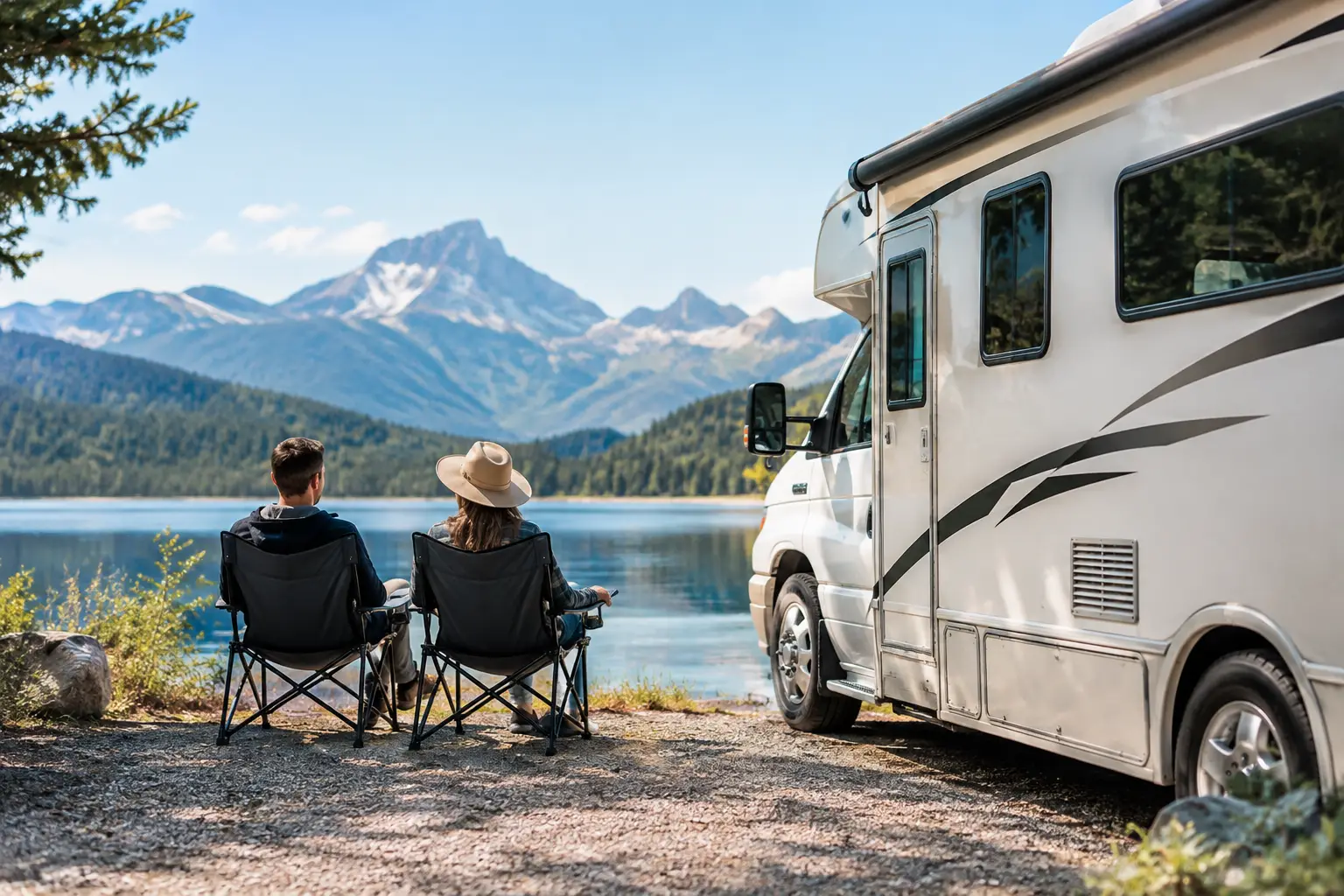
A weekend in the RV can change quickly after a tight turn clips a parked car, a guest falls outside your campsite, or a borrowed motorhome is involved in an accident. This guide to recreational vehicle liability helps you understand the coverage that protects other people when you are legally responsible for an injury or property damage - and why the minimum required by law may not be enough for your family. RV insurance is not one-size-fits-all. A pop-up camper towed behind a family SUV, a Class A motorhome, and a fifth wheel used for months at a time can create very different risks. The right liability limits depend on what you drive, where you travel, how often you use the RV, and the assets you need to protect. What recreational vehicle liability insurance covers Liability coverage is the part of an RV policy designed to pay for covered injuries or damage you cause to others. It is not meant to repair your own RV or pay for your own medical bills after an accident. Instead, it helps protect you when a claim is made against you. The two main pieces are bodily injury liability and property damage liability. Bodily injury liability may help pay for another person's medical treatment, lost income, pain and suffering, and legal costs after an accident for which you are responsible. Property damage liability may help pay to repair or replace another person's vehicle, fence, building, campsite equipment, or other damaged property. For motorhomes, liability coverage generally works much like auto liability coverage because the RV is driven under its own power. For travel trailers, fifth wheels, and campers, liability may be connected to the vehicle towing them, though coverage details can vary by policy and carrier. That distinction matters when you are comparing quotes. Liability can follow you beyond the highway Many people think of RV liability only in terms of collisions. Road accidents are a major exposure, but they are not the only one. Depending on the policy, coverage may also respond to certain accidents while your RV is parked or being used as a temporary residence. For example, a visitor could trip on an unsecured outdoor rug at your site, or a poorly placed awning could damage a neighboring RV. Some policies include vacation liability or personal liability features for these situations. Others may limit coverage based on how the RV is being used, where it is parked, or whether it is your primary residence. Never assume that an auto-style liability limit handles every campground incident. Why state minimum limits are rarely the whole answer Most states require liability insurance for motor vehicles, including motorhomes. The required limits are a legal starting point, not a recommendation tailored to your financial situation. A serious accident can exceed a low liability limit faster than many people expect, especially when multiple people are injured. Liability limits are commonly shown in a format such as 100/300/100. In plain language, that may mean up to $100,000 for bodily injury to one person, up to $300,000 total for bodily injuries in one accident, and up to $100,000 for property damage. Your available options will depend on the carrier, RV type, state, driving history, and other underwriting details. Think about what is on the road around you. A late-model SUV, a luxury vehicle, a commercial van, or a guardrail can create a substantial property damage claim. Medical expenses can be even higher when an accident involves several passengers. If your policy limit is exhausted, you may be personally responsible for the remaining amount. Higher limits usually increase the premium, but the difference is often more manageable than people assume. It is worth comparing several limit options instead of selecting the lowest amount automatically. An independent agent can help you weigh the premium against the protection you are gaining. Situations that can change your liability needs Your RV lifestyle matters as much as the RV itself. A family that takes a few local trips each year has different needs than a retired couple traveling across several states or a family living in a motorhome for extended periods. Full-time or extended RV living If the RV is your primary residence or you spend long stretches living in it, ask specifically about full-timer liability coverage. Standard recreational-use policies may not provide the same personal liability protection you would expect from a homeowners policy. Full-time packages may also offer coverage for certain personal activities around your RV site, subject to policy terms and exclusions. Guests, borrowed RVs, and extra drivers Letting an adult child, friend, or family member drive your motorhome can affect a claim. Policies may cover permissive drivers, but that does not mean every driver is automatically covered in every situation. Some carriers require regular drivers to be listed, and some may have age, license, or driving-history requirements. Before lending an RV, confirm who is allowed to operate it and whether your liability limits apply. A large motorhome handles differently than a passenger vehicle, so a driver's experience is a practical safety issue as well as an insurance question. Rentals and business use Personal RV policies are generally not designed for renting your RV to others or using it for business purposes. Renting through a peer-to-peer platform, transporting clients, operating a mobile business, or hauling equipment for paid work can create coverage gaps. If money changes hands, disclose that use before you assume your personal policy will respond. Liability limits are only one part of protecting your assets RV liability should work alongside the rest of your insurance plan. Your auto, home, renters, and RV policies may each provide different types of liability protection. The goal is not to buy duplicate coverage. It is to understand where one policy ends and another begins. An umbrella policy can be especially valuable for households with savings, a home, future earnings to protect, or higher liability exposure. Umbrella coverage may provide an extra layer of liability protection above qualifying underlying auto, home, and RV policies. It usually requires certain minimum liability limits on those base policies, so it is best discussed as part of a complete review. Keep in mind that umbrellas have their own eligibility rules and exclusions. They are a meaningful safeguard for many families, but they do not replace proper RV coverage or excuse excluded activities. The details matter. Questions to ask before choosing an RV liability policy A good quote is more than a price. Ask whether the policy is written for recreational use or full-time living, how it handles trailers and tow vehicles, and whether vacation liability applies when the RV is parked. Confirm your bodily injury and property damage limits, who may drive the RV, and whether the policy includes legal defense costs. Also ask about exclusions for rentals, business use, off-road use, Mexico travel, or travel outside your usual territory. If you carry expensive accessories, bicycles, personal belongings, or camping equipment, ask whether those items need separate coverage. Those questions may not change your liability limit, but they can prevent unpleasant surprises after a loss. It also helps to review deductibles and physical damage coverage. Collision and comprehensive coverage protect your own RV from certain losses, such as an accident, theft, vandalism, hail, or falling objects, depending on the policy. They do not replace liability coverage, but together they create a more complete plan. A practical way to choose your limits Start with the limits required in the states where your RV is registered, then look beyond them. Consider the value of your home, savings, vehicles, and other assets. Consider how often you travel, whether you take guests along, and whether you drive in congested areas or cross state lines frequently. Then compare at least two or three higher-limit options. The right answer is personal: a modest travel trailer used a few weekends a year may call for a different approach than a Class A motorhome used for nationwide trips. What matters is choosing intentionally, with a clear understanding of the risk you are accepting. Sincerity Insurance Solutions can help compare RV liability options from multiple carriers and explain the trade-offs in plain language. Bring your travel habits, budget, and questions to the conversation. A little clarity before departure can help you travel with more confidence when the unexpected happens.